Day trading looks fast and lucrative online, but beginners usually hit confusion and losses first. Sustainable edge comes from strategy, risk control, and repeatable process — not a secret indicator.
Books give structured education you can revisit. This guide lists the best books for day trading beginners: foundations, tactics, charts, FX, and professional process. Each entry includes who it fits, core lessons, and journal prompts so reading becomes practice.
How this guide differs: This is a technical and platform skills reading list — mechanics, setups, charting, and prop-desk process. For a dedicated mindset-only list (Douglas, Schwager, Kahneman, tilt work), see books about trading psychology. Pair either list with a trading journal that logs setups and emotions, not just P&L.
Quick pick: where to start
| If you need… | Start with… |
|---|---|
| Market vocabulary and basics | A Beginner’s Guide to Day Trading Online (Toni Turner) |
| A modern daily routine and setups | How to Day Trade for a Living (Andrew Aziz) |
| Named intraday tactics | Mastering the Trade (John F. Carter) |
| Chart and indicator reference | Technical Analysis of the Financial Markets (John J. Murphy) |
| Process and playbook discipline | One Good Trade / The PlayBook (Mike Bellafiore) |
1. A Beginner’s Guide to Day Trading Online — Toni Turner
Toni Turner’s book is the ideal starting point for anyone completely new to day trading. It explains market mechanics in plain English — ECNs, order types, broker choice — without drowning you in theory. Best for building vocabulary before specialized strategy books.
Key takeaways
- Actionable first steps: Chart setup, basic patterns (e.g. head and shoulders), and what they imply about sentiment.
- Risk primer: Simple money management rules for smaller accounts.
- Vocabulary: Jargon from later books and communities will make sense faster.
Journal prompts
Practice in a simulator — see what is paper trading. Tag paper trades Toni Turner Setups and note: Setup (pattern from the book), Entry (Turner’s criteria), Risk (initial stop per the book’s rules).
Availability: Second edition in print and e-book (Simon & Schuster, Amazon). Some platform details are dated; core risk and behavior lessons still apply.
2. How to Day Trade for a Living — Andrew Aziz
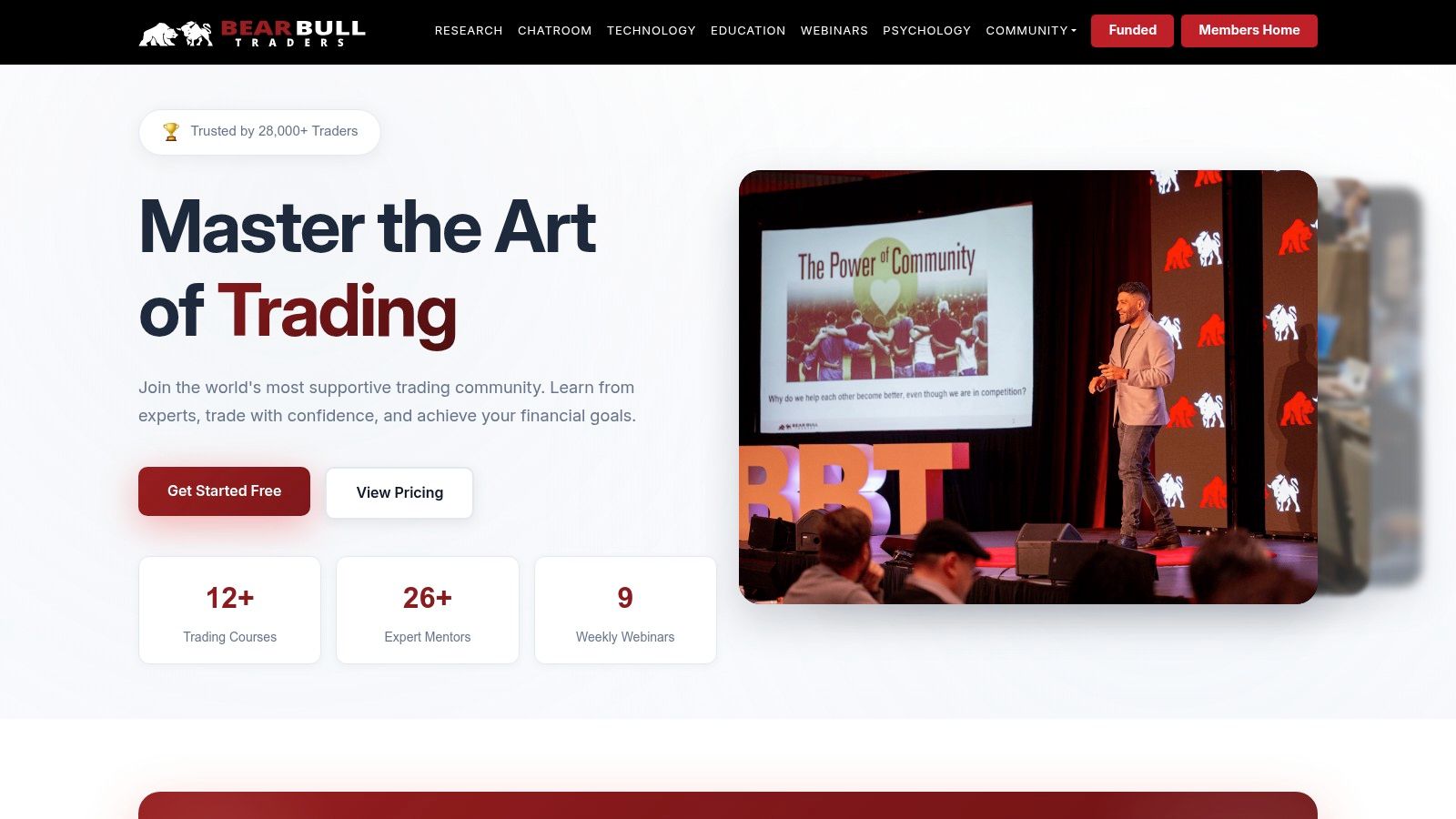
Andrew Aziz outlines tools, routines, and strategies for modern U.S. equity day trading — a concrete playbook after foundational reads. Core value: a repeatable daily process — pre-market routine, watchlists, momentum and VWAP-style setups (e.g. Opening Range Breakout above the first minutes’ high).
Key takeaways
- Full trading plan: Scanning, watchlist, execution, post-trade review.
- Defined setups: ORB, trend trades — easy to practice on a simulator.
- Workflow: Efficient station and hotkeys for active trading.
Journal prompts
Tag strategies Aziz ORB, Aziz VWAP Reversal, etc. Note Setup, Confirmation (volume, VWAP close), Trade management (targets, stop adjustments). Aziz founded Bear Bull Traders for community refinement — optional, not required to apply the book.
Availability: Paperback, e-book, audiobook (Amazon and major retailers). Principles transfer beyond U.S. equities.
3. Mastering the Trade (3rd ed.) — John F. Carter
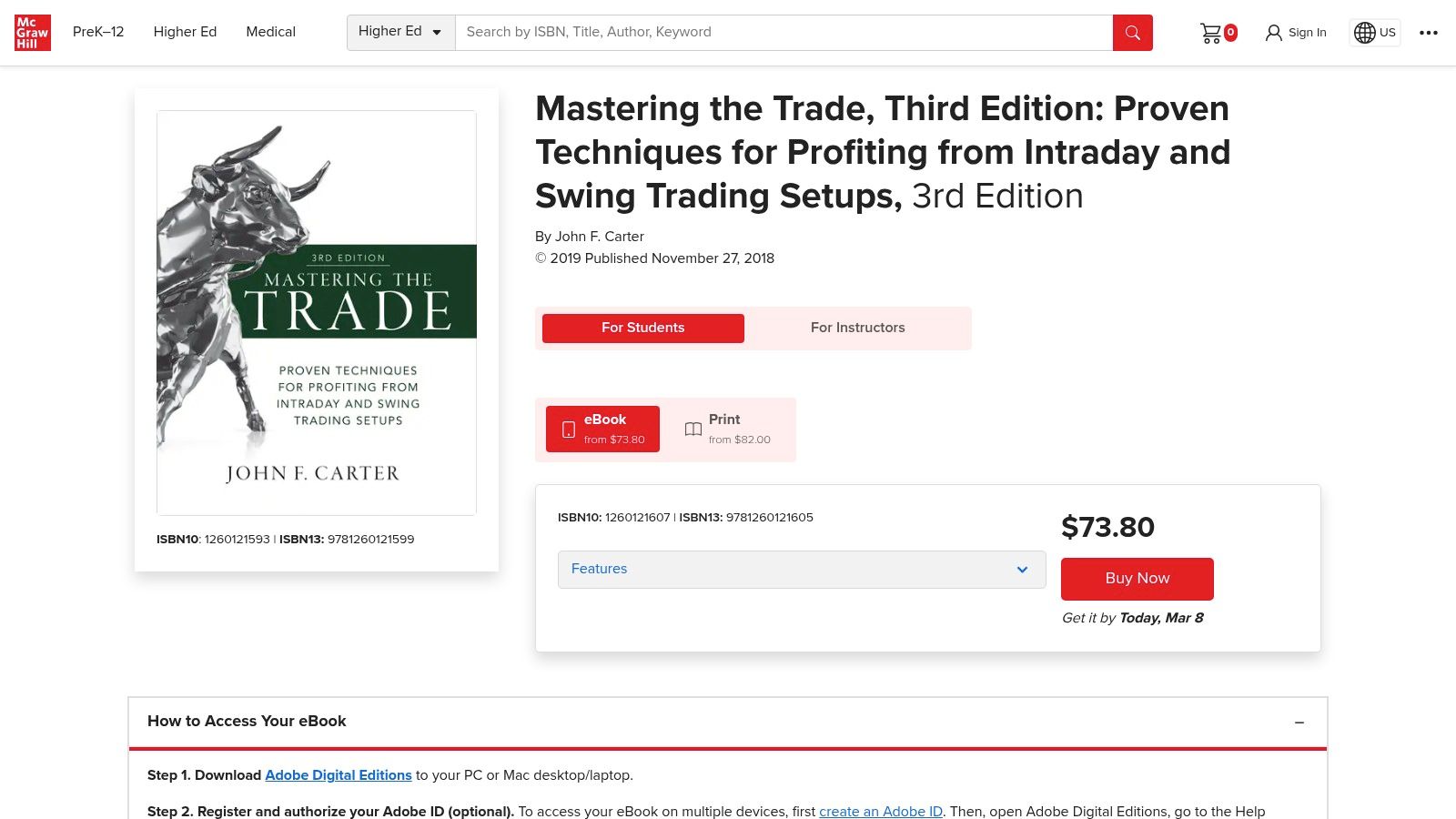
A bridge from beginner to intermediate: specific setups for stocks, futures, and options. Carter details intraday pivots, volatility Squeeze (low vol compression before expansion), and disciplined execution — pattern recognition with rules, not vague concepts.
Key takeaways
- Toolkit: Squeeze, pivots — full entry, exit, management rules.
- Psychology: Discipline to follow the plan when emotions spike.
- Modern context: Third edition covers current structure and tools.
Journal prompts
Master one setup in paper trading. Tags: Carter Squeeze, Carter Pivot. Log Setup, whether all entry criteria were met, and trade management vs the book.
Availability: Print and e-book via McGraw Hill and Amazon.
4. Day Trading and Swing Trading the Currency Market (3rd ed.) — Kathy Lien
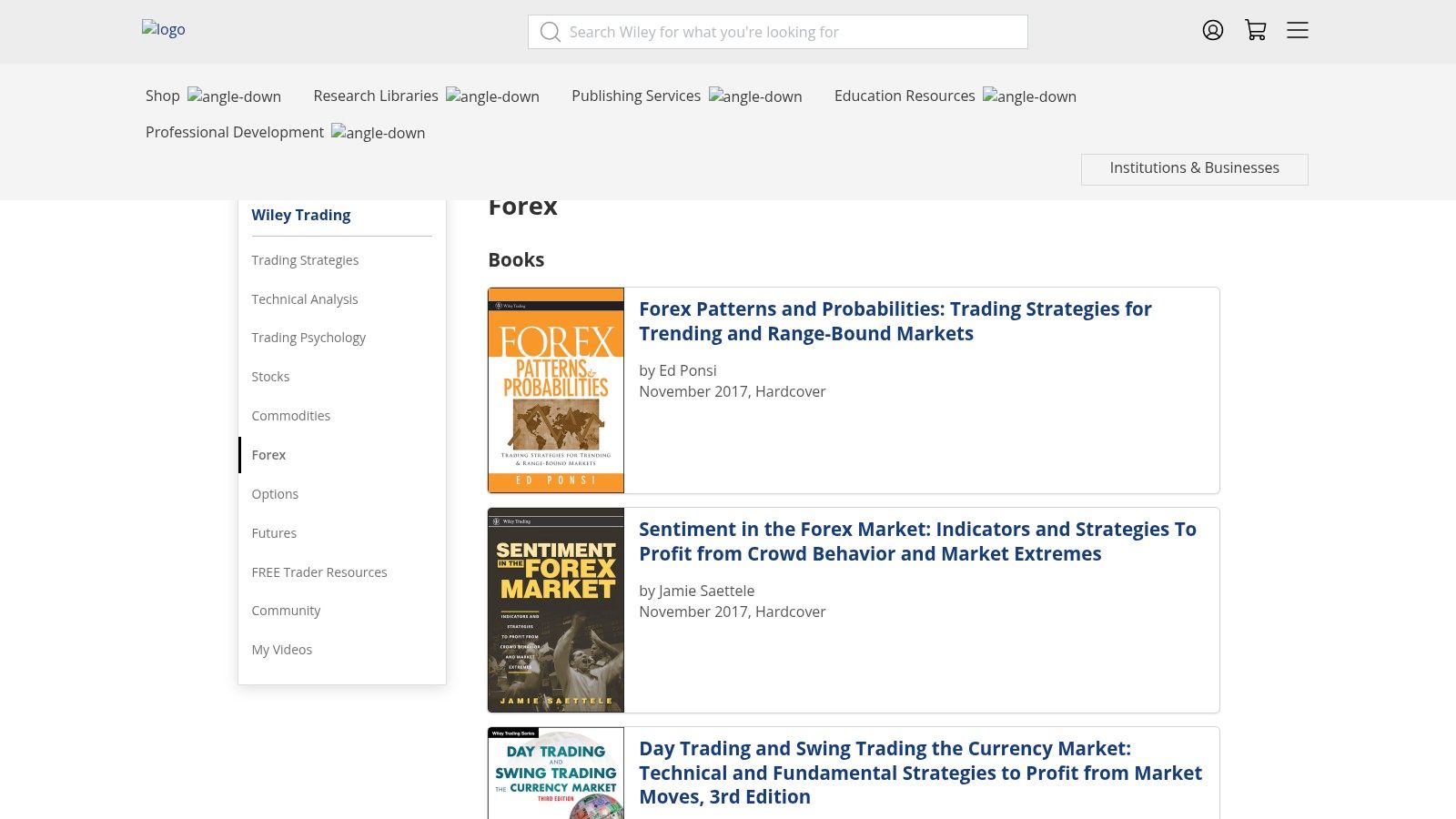
Standout for FX: technical analysis plus macro drivers — news, economic data, session behavior (London, New York). Lien ties catalysts to actionable ideas (e.g. positioning around U.S. Non-Farm Payrolls vs expectations).
Key takeaways
- Fundamentals + technicals: Calendar events plus chart context.
- Session strategies: Asia, Europe, North America characteristics.
- Leverage-aware risk: Position sizing for leveraged FX.
Journal prompts
Demo-track reactions to major releases. Tag Kathy Lien Setups; pre-news notes: Event, Hypothesis (better/worse data), Setup on the chart.
Availability: Wiley paperback and e-book — Wiley Trading series.
5. Technical Analysis of the Financial Markets — John J. Murphy
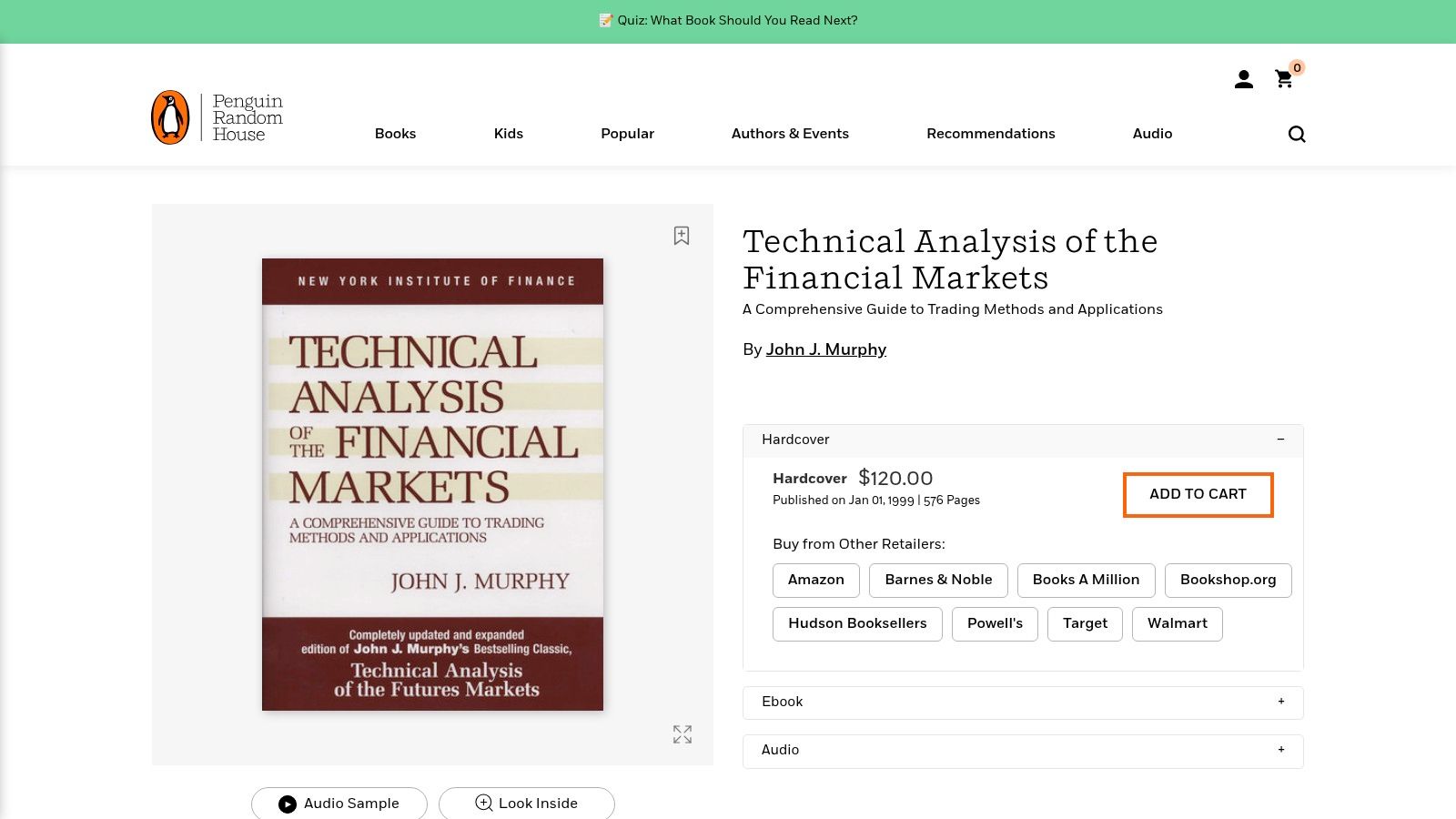
The standard reference for charting — not a day-trading manual, but the foundation behind most chart strategies. Murphy covers construction, trends, indicators, intermarket links, and divergences (e.g. RSI vs price).
Key takeaways
- Catalog: RSI, MACD, Bollinger Bands, classic patterns — logic behind each.
- Intermarket analysis: How stocks, bonds, commodities, and FX interact.
- Desk reference: Revisit when refining any indicator or pattern.
Journal prompts
Study one chapter at a time; solidify basics with how to read stock charts. Tag notes Murphy Principles: Setup, Context (intermarket), Outcome vs classic interpretation.
Availability: Penguin Random House and Amazon (study guide available).
6. A Complete Guide to Volume Price Analysis — Anna Coulling
Read the story behind the candles: volume confirms or contradicts price — climactic buying, exhaustion, traps. Example: new high on declining volume → skepticism about breakout strength.
Key takeaways
- Confirmation: Validate breakouts, trend strength, reversals.
- Effort vs result: High volume, little movement → battle before a move.
- Fewer false breaks: Require volume alignment before entry.
Journal prompts
Tag VPA Confirmation. Per trade: Volume story before entry, Confirmation spike, Exit signs on volume bars.
Availability: Anna Coulling’s site and Amazon.
7. The New Trading for a Living — Alexander Elder
Shifts focus to the trader: psychology, risk, record-keeping. Elder’s 2% rule (max risk per trade) and 3 M’s (Mind, Method, Money) frame trading as a business. Overlaps mindset topics — for a deeper psychology-only path, see books about trading psychology.
Key takeaways
- Readiness checks before the session.
- Risk rules: 2% per trade, 6% monthly cap in the book’s framework.
- Journaling as the main improvement tool.
Journal prompts
Tag Elder Review: Psychology (before/during/after), Money management (2%/6% rules), One lesson for the next trade.
Availability: Print and e-book (Amazon, Wiley).
8. One Good Trade — Mike Bellafiore
Inside SMB Capital: process over P&L — profitable days can still fail review if you broke the plan. Case studies on development, failure modes, and “Trades2Hold” playbook thinking.
Key takeaways
- Decision quality vs outcome.
- Playbook: Document signature setups.
- Review culture: Daily and weekly professional habit.
Journal prompts
Tag Playbook Setup: Playbook criteria, Execution quality (1–10), Review note (replicate or drop).
Availability: Wiley Trading and Amazon.
9. The PlayBook — Mike Bellafiore

Assumes you can read a chart; teaches documenting A+ plays — catalyst, context, trigger, management. Template for each “play” before you click.
Key takeaways
- Repeatable plays from one-off wins.
- Database mindset: Detailed logs → strengths and leaks.
- Business framing: Preparation and refinement over platform tricks.
Journal prompts
Tag Playbook: Big picture, Catalyst, Technical setup, Entry trigger, Management (and what to improve).
Availability: Pearson FT Press and Amazon (hardcover, paperback, e-book).
10. Trading in the Zone — Mark Douglas
Mark Douglas on probability thinking and execution without fear, greed, or FOMO. Any trade can lose; edge shows over many trades. For Douglas plus six other mindset classics with exercises, use the trading psychology books guide — this entry keeps the day-trading curriculum complete.
Key takeaways
- Probabilistic mindset: Process over single-trade outcome.
- Emotional triggers: Revenge trading, hesitation, FOMO.
- Confidence from edge + discipline, not one winner.
Journal prompts
After each session, tag Mindset Check: Emotional state, Plan adherence, Risk accepted before entry and no interference during the trade. See why every trader needs a trading journal for fields that make this stick.
Availability: Major retailers (paper, e-book, audio).
11. Japanese Candlestick Charting Techniques (2nd ed.) — Steve Nison

The Western standard for candlestick language — hammers, dojis, multi-bar patterns, and the psychology behind each. Integrate with trendlines and oscillators, not isolation.
Key takeaways
- Timing: Reversal and continuation signals.
- Confirmation: Combine with other tools.
- Pattern strategies: Repeatable price-action entries.
Journal prompts
Tags per pattern (Bullish Engulfing, Hammer, etc.): Setup at S/R, Entry (close + volume), Result — track win rate per pattern over time.
Availability: Penguin Random House and Amazon.
12. High-Probability Trading — Marcel Link
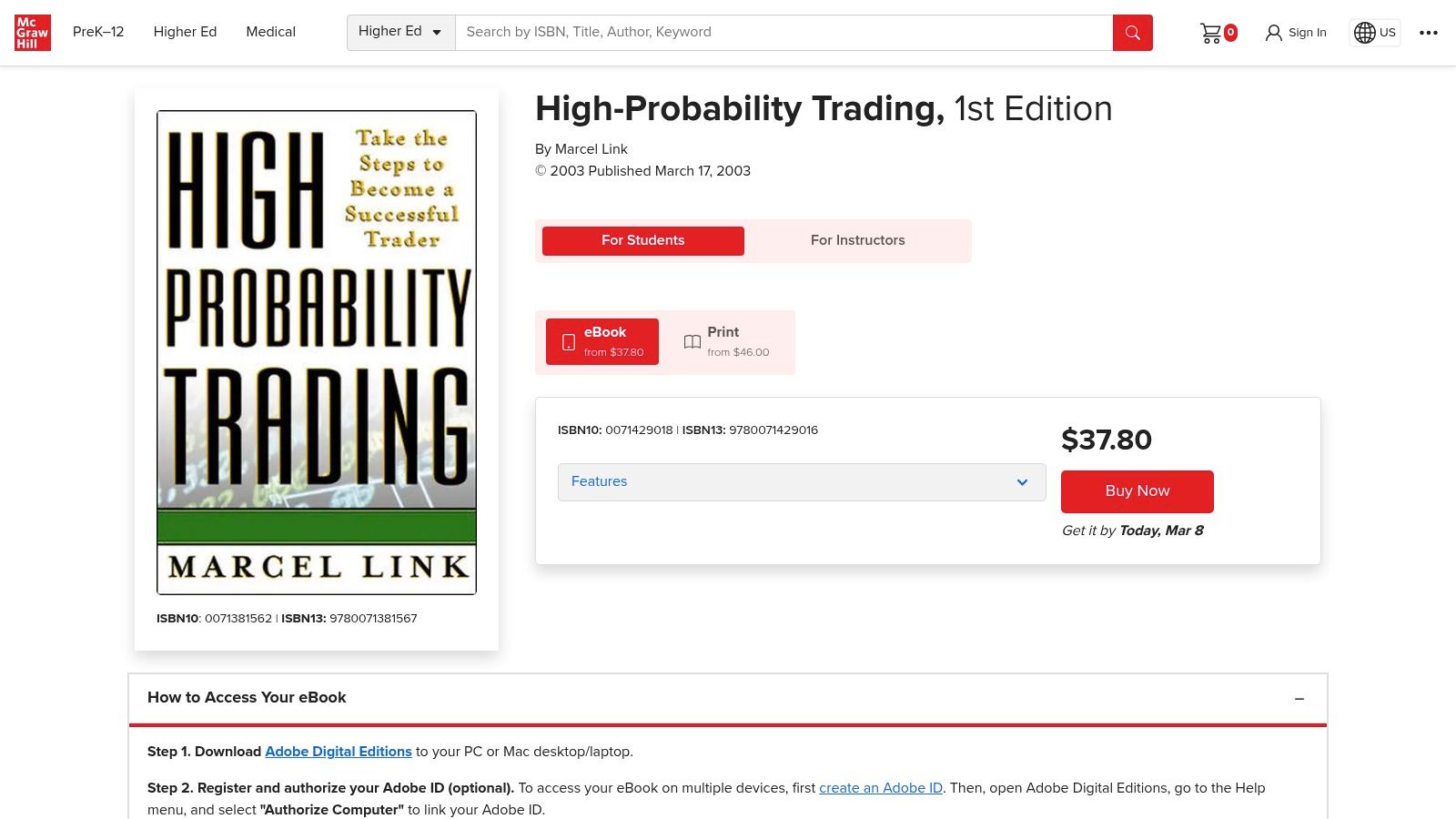
Selective, checklist-driven trading — filters for trend, S/R, and signals before entry. Emphasis on journaling to raise expectancy and cut overtrading.
Key takeaways
- Selection filters for ambiguous setups.
- Trade plan templates before orders.
- Review habit as non-negotiable.
Journal prompts
Tag Marcel Link Checklist. Pre-trade draft: all criteria met? Log Setup, Confirming signals, Discipline score (1–5).
Availability: McGraw Hill and Amazon.
12-book comparison
| Title | Core focus | Best for |
|---|---|---|
| A Beginner’s Guide to Day Trading Online — Turner | Mechanics, orders, basics, risk | Complete newcomers |
| How to Day Trade for a Living — Aziz | Routine, momentum/VWAP setups | Fast, practical U.S. equity start |
| Mastering the Trade — Carter | Intraday tactics, Squeeze, pivots | Beginners moving to tactics |
| Day Trading & Swing Trading the Currency Market — Lien | FX sessions, news, macro + technical | FX and catalyst-driven traders |
| Technical Analysis of the Financial Markets — Murphy | Indicators, patterns, intermarket | Chart reference for life |
| Volume Price Analysis — Coulling | Volume confirmation | Reducing false breakouts |
| The New Trading for a Living — Elder | Mind, method, money, journaling | Process and risk habits |
| One Good Trade — Bellafiore | Prop-desk process, review | Professional routines |
| The PlayBook — Bellafiore | Documenting plays | Structured personal playbook |
| Trading in the Zone — Douglas | Probability, execution calm | Emotional control (see also psychology guide) |
| Japanese Candlestick Charting — Nison | Candlestick taxonomy | Price-action timing |
| High-Probability Trading — Link | Filters, checklists, review | Rule-based selection |
From reading to practice
Reading without a feedback loop is shelf-help. Use this sequence:
- Pick one book matched to your level (Turner/Aziz if new; Carter/Bellafiore if you need structure).
- Read actively — one concept per session tied to charts you watch today.
- Journal every test — tags per author (
Aziz ORB,Carter Squeeze,Mindset Check). Your journal is where book theory meets your data; see why every trader needs a trading journal. - Paper trade first — same seriousness as live capital; goal is plan execution, not simulated P&L fantasies.
Losses and doubt are normal. Edge shows in process over hundreds of trades — review execution vs plan after each loss, not just the dollar result.
Related reading
- Books about trading psychology — mindset-focused list (complements this technical library)
- Why every trader needs a trading journal — apply book lessons daily
- How to read stock charts — before Murphy-level depth
- What is paper trading — test setups safely
- Risk management for traders — contain risk while learning